Todolivo I-15P

REVOLUTIONISES THE OLIVE GROWING INDUSTRY

Small size, high fat yield, an extraordinary productive capacity
(kg of olive oil/ha) and an exceptional EVOO

The perfect option for Olive Grove in Hedge cultivation

Todolivo I-15P

This new olive tree variety comes from Todolivo’s Genetic Improvement Programme. It was naturally obtained in 2008 through cross pollination between Arbosana Clon I-43®Koroneiki Clon I-38®.

Agronomic Assessment

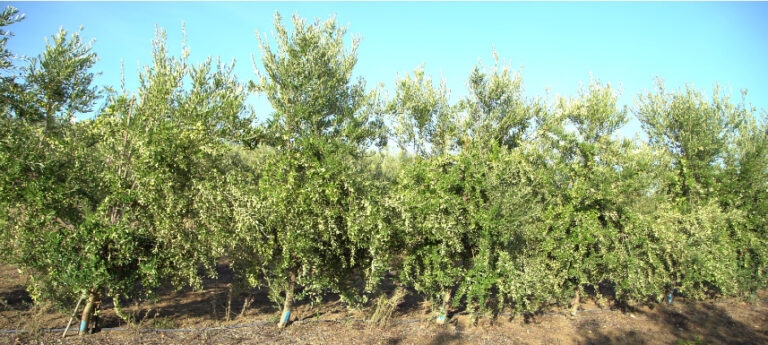
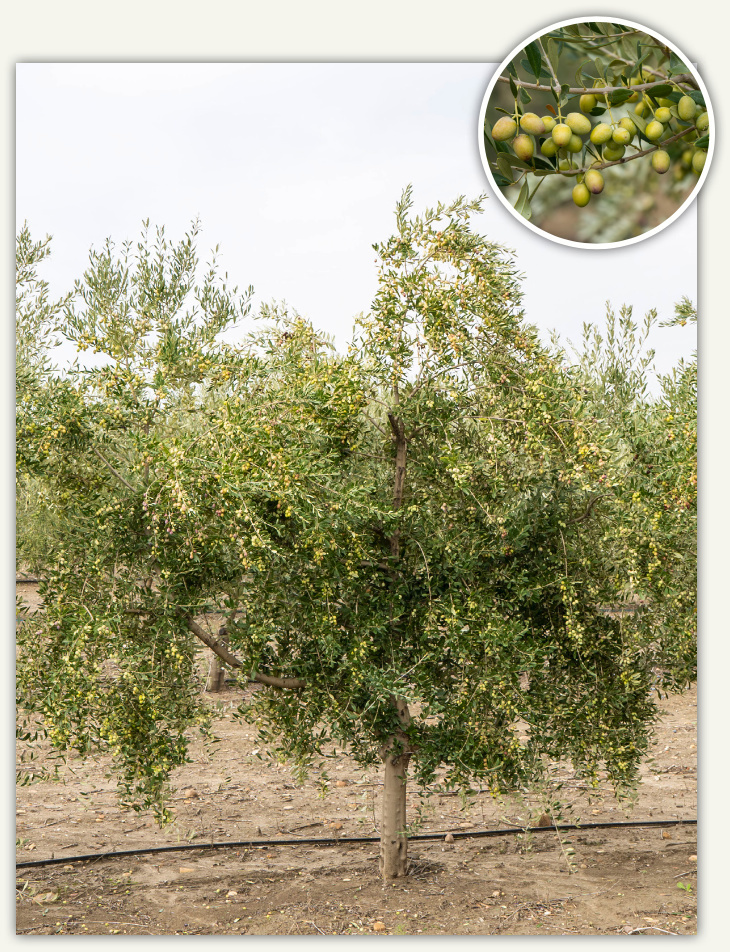
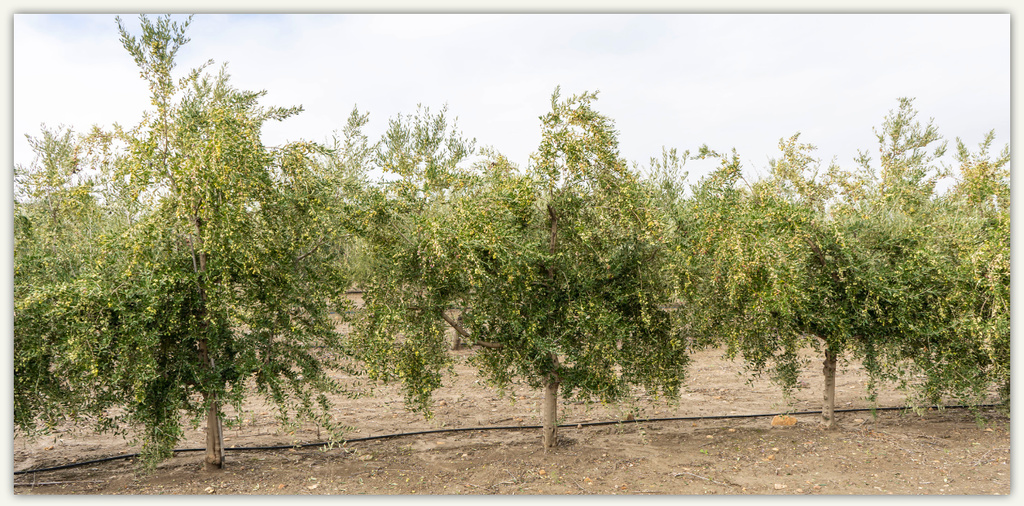
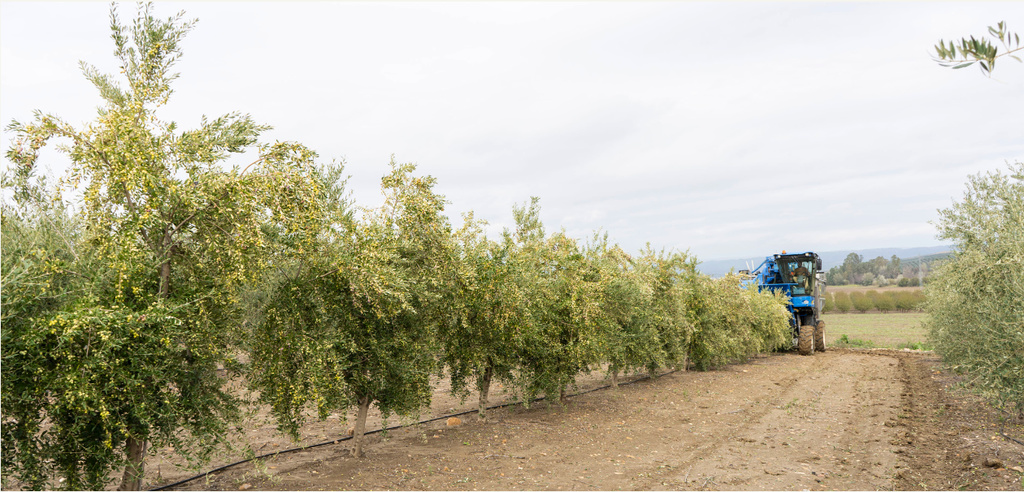
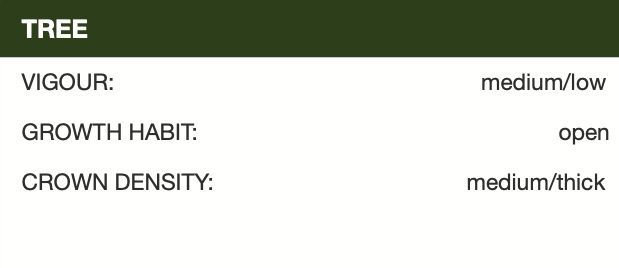
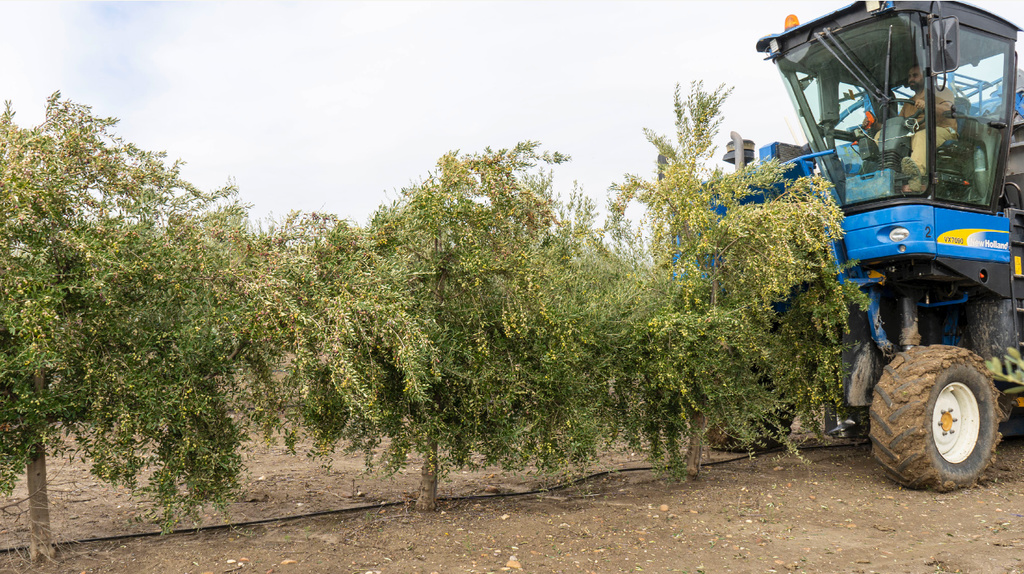
Variety with medium low vigor, open growth habit and short internodes. With a low wood structure, it maintains a large amount of productive twigs throughout the tree. Its morphological structure makes it ideal for hedgerow cultivation, allowing the tree to be easily formed and maintained in a false palmette, facilitating the closing of spaces in the row and the rapid creation of the hedge.

Showing a high hardiness and capacity to adapt to a wide range of soils and climatic conditions.

Of early, high and constant productivity, both in irrigated and rainfed conditions. In rainfed conditions it is very resistant to drought due to its powerful root system and its leathery leaves that reduce water loss due to evapotranspiration.

It has a high fat yield, with the greatest differences in production compared to other varieties when harvested early.

The oil contained in the pulp of its olives is easy to extract and of excellent organoleptic quality.

It is resistant to Repilo and tolerant to Verticilium and Tuberculosis.

Todolivo-doss_i-15_08

Todolivo I-15P

A very productive variety that will allow farmers to achieve greater profitability in their fields and
to produce an extraordinary EVOO that is unique in the world

PARENTS​

Todolivo I-15P was naturally obtained in 2008 as part of our Genetic Improvement Programme through cross pollination between Arbosana Clon I-43® and Koroneiki Clon I-38®, two of the most productive varieties in our multi-variety Olive Grove in Hedge trial conducted at our Pedro Abad Research Centre (Córdoba) and planted over 27 years ago.

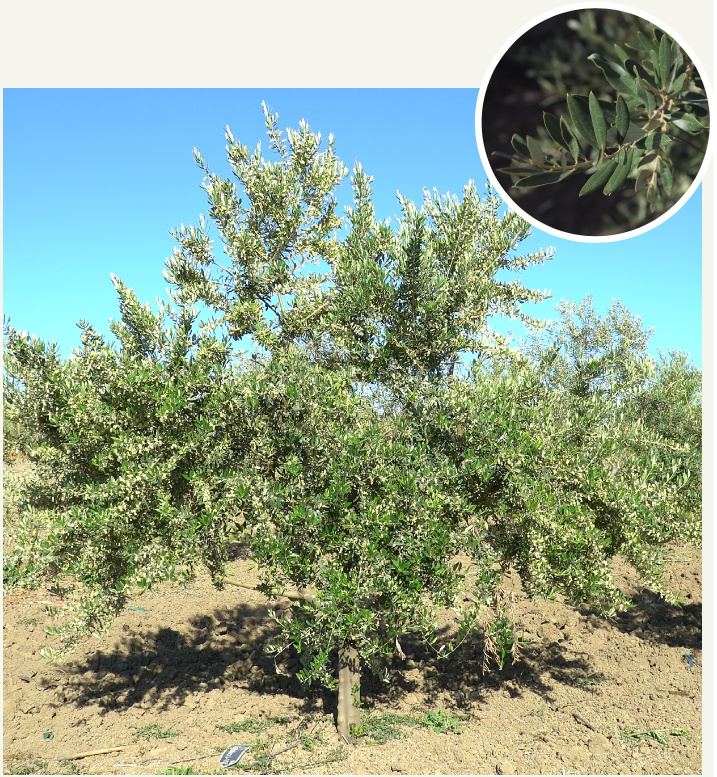
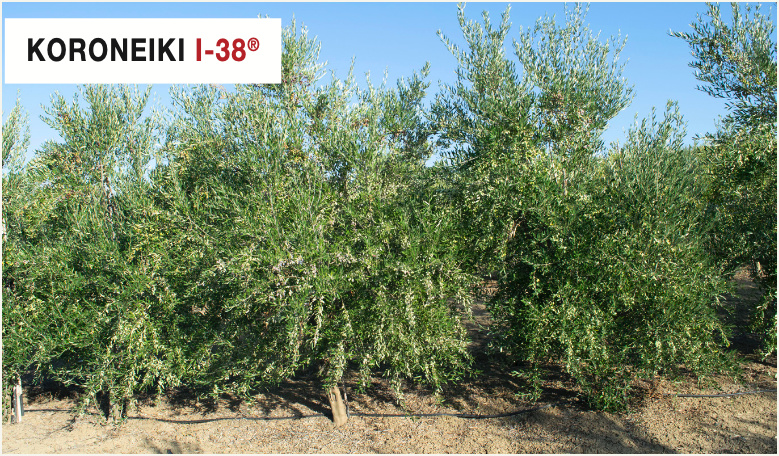
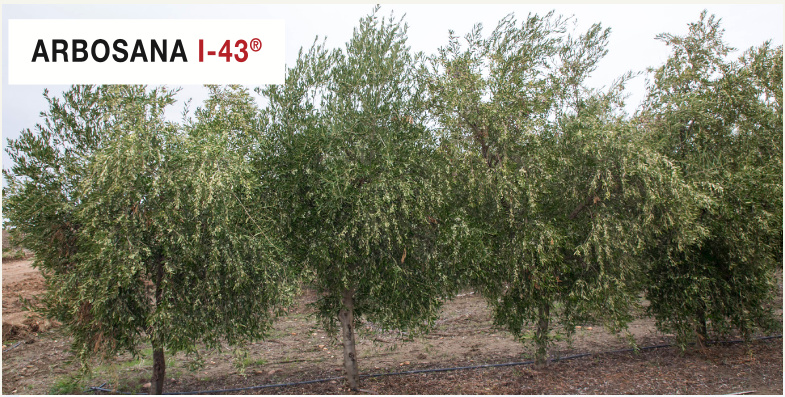
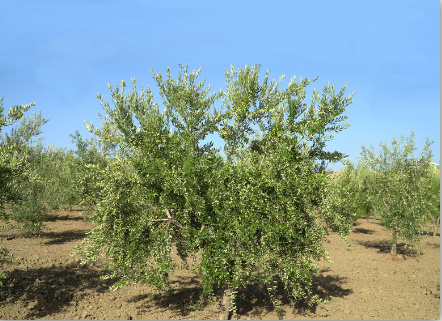
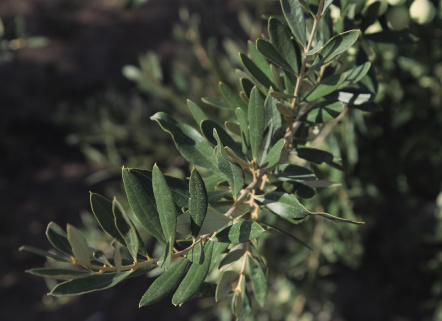
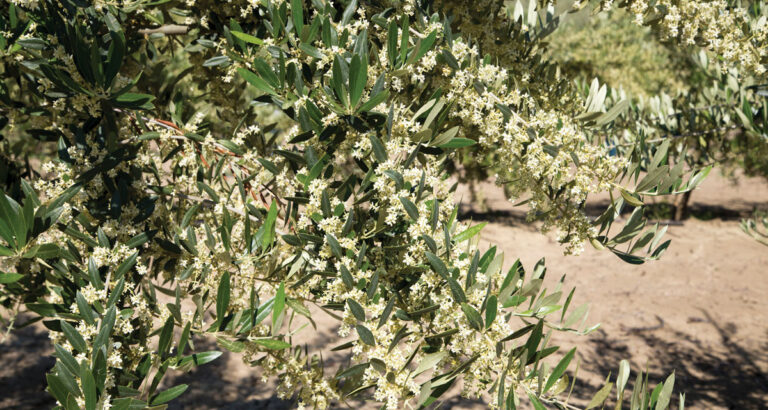
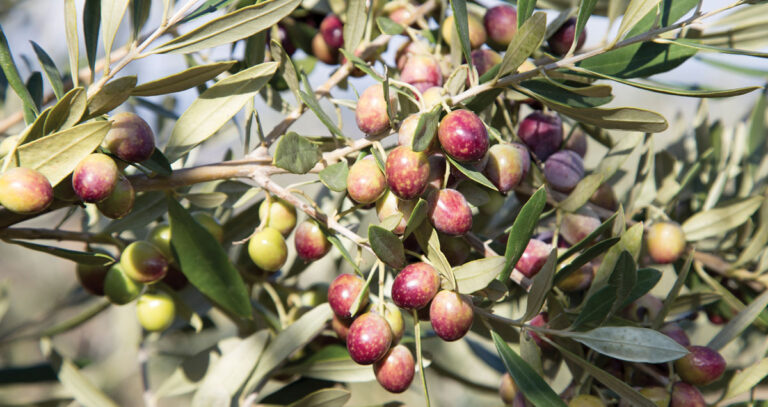
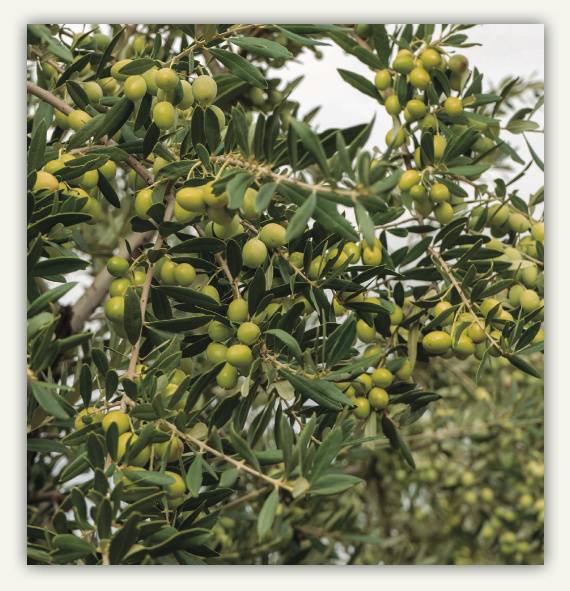
As can be seen in the pictures, the size and the growth habit of the Todolivo I-15P variety are very similar to those of its mother, Arbosana Clon I-43®

We were very well acquainted with Todolivo I-15P‘s parents, as we had been aware of their qualities since we started introducing them in Spain and Portugal, in the late 90s. Its mother, Arbosana I-43®, was an interesting and highly productive variety, and its small size and low vigour made this the perfect option for hedge cultivation, and, in addition to this, it was very easy to manage and very cheap to prune. Nevertheless, it also showed some weaknesses: its fat yield was lower and it was a late-ripening variety, which resulted in the farmer losing fat points in early harvests, and in slower and more costly harvests due to the high resistance that this variety’s fruit offered to detachment. In addition to this, this variety was resistant to leaf spot disease, tolerant of Verticillium, sensitive to tuberculosis and it tolerated humid soils poorly. With regard to its father, Koroneiki I-38® was a variety that delivered an early entry into production and a high productive capacity. Moreover, its oil was highly valued in the market due to its great stability and excellent organoleptic qualities.

For all these reasons, we decided to include them in our Genetic Improvement Programme and cross them in order to obtain a superior variety in terms of production that could inherit and/or enhance as many of its parents’ qualities as possible, while minimising or correcting their weaknesses. Among all their children, we observed that there were some varieties that achieved all these goals, as it was the case with Todolivo I-15P, which fulfilled all the requirements that we were seeking: it was structurally similar to its mother, which made this the perfect variety for hedge cultivation, and, in addition to this, it outperformed both its parents in terms of productive capacity and fat yield. The new variety had the added advantage that it could yield a lot of olive oil in its early stages. This allowed the farmer to start harvesting olives earlier in order to obtain extraordinary EVOOs and to have access to the high olive oil prices set at the beginning of each year’s campaign, all this without increasing the harvesting costs, since its fruit, even when harvested unripe, could be easily detached from the tree. In addition to this, this variety is resistant to leaf spot disease and tolerant of Verticillium and tuberculosis. Another important quality of the Todolivo I-15P variety is its hardiness, since it shows great adaptability to the different agro-climatic conditions in which we have trialled it, being more productive than the other 33 traditional varieties against which it was tested, both in rainfed and in irrigated conditions. Regarding its olive oil, it possesses extraordinary organoleptic qualities and it is high in oleic acid (see organoleptic profile).

Todolivo’s “La Mata” Research Centre. Todolivo I-15P variety

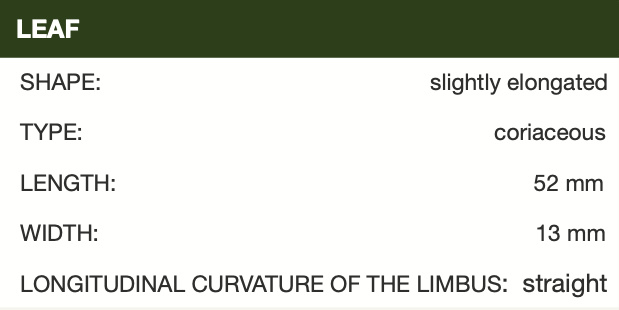
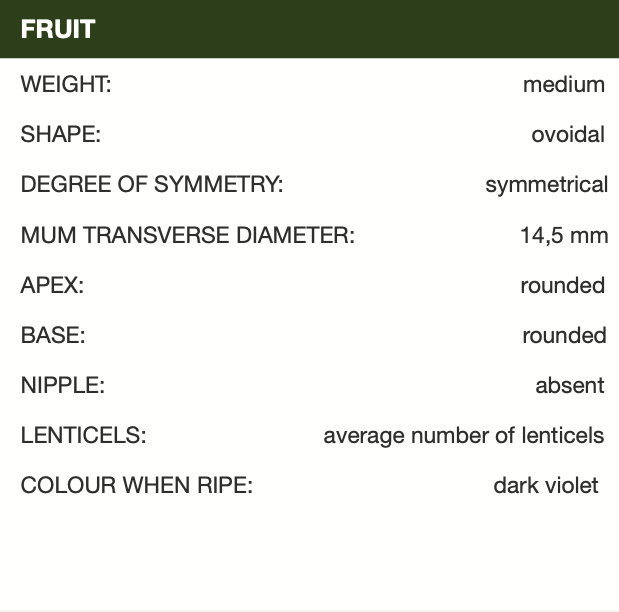
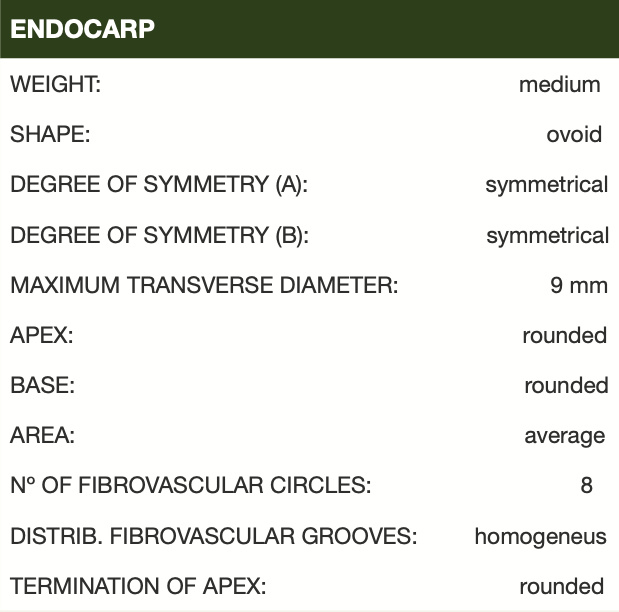
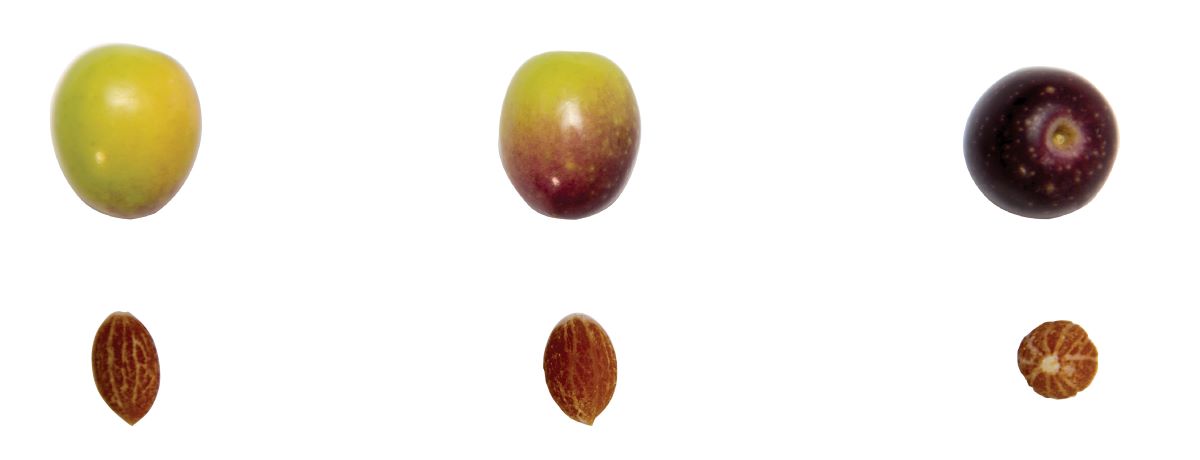
MORPHOLOGICAL CHARACTERISATION

MORPHOLOGICAL CHARACTERISATION

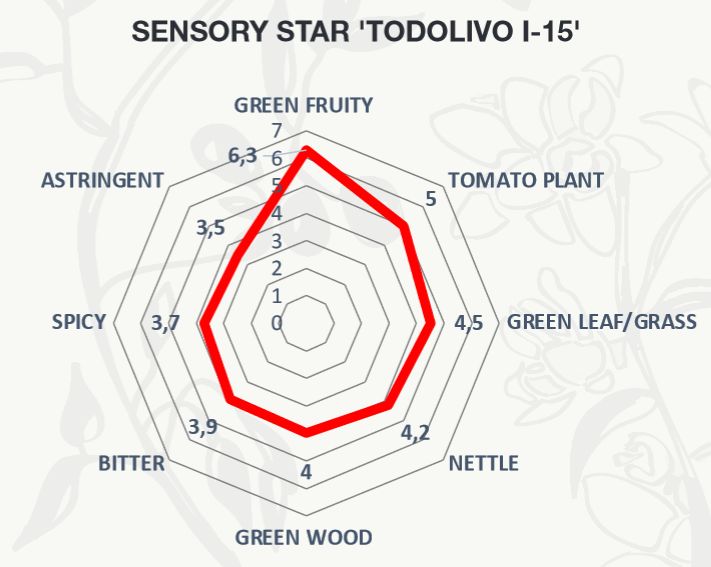
OLIVE OIL PROFILE

Todolivo I-15P

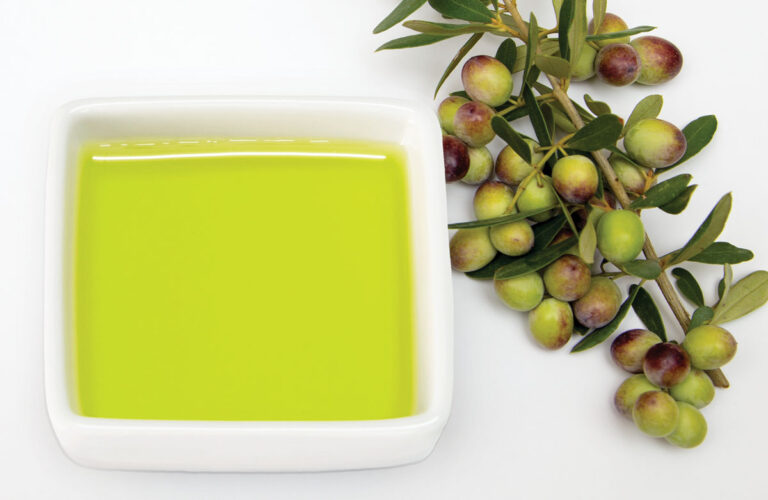
Intense fruity oil with aroma of home fruits, green notes of fresh grass and early olives. Very balanced, with a smooth and fresh mouthfeel, marked bitterness and spiciness aftertaste. An extra virgin olive oil where the organoleptic characteristics of its origins, arbosana and koroneiki, merge to perfection.
Note: The prestigious California Sensory Panel, (USA) affirmed in 2021 that Todolivo I-15P oil was a winning oil when a sample was sent to them for organoleptic analysis five and a half months after crushing. This crushing took place at the end of October 2020.

Fatty acids

Palmitic acid (C16:0) …….. 13,13
Palmitoleic acid (C16:1) …. 0,78
Stearic acid (C18:0) ………. 2,47
Oleic acid (C18:1) …………. 74,69
Linoleic acid (C18:2) ……… 6,70
Margaric acid ……………….. 0,18
Margaroleic acid …………… 0,30
Myristic acid …………………. 0,02

Biophenols (mg tyrosol/kg oil) 356 mg/kg
Rancimat (at 100ºC) 61.88 hours

PRODUCTION HISTORY

“The confirmation of an exceptionally gifted variety”

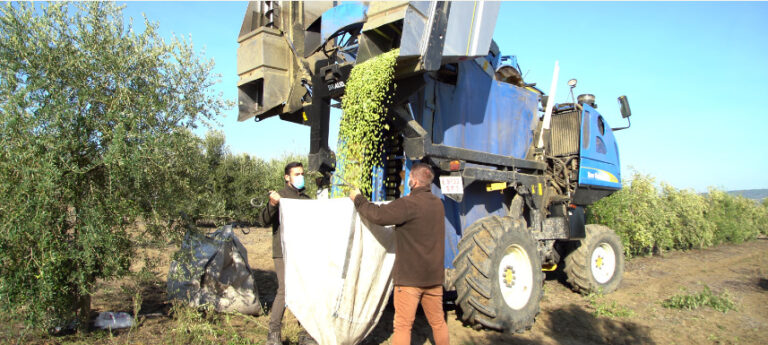
Todolivo I-15P is a clear example of the goals pursued by our Genetic Improvement Programme: to obtain new olive tree varieties that are more productive than the current varieties, that can be easily adapted to mechanical harvesting and that, at the same time, allow farmers to achieve greater profitability in their fields and to produce EVOOs that are unique in the market and that help them differentiate their offering, as well as better cater to the needs and preferences of the different types of consumers.

Todolivo I-15P‘s Evaluation and Production History

Since its creation in 2008, the Todolivo I-15P variety has kept an impressive production track record. It has not only produced more kg of olive oil/ha than its parents, but has also outperformed an international selection of 33 traditional varieties to which it was compared. Year after year, this variety has proved, in each and every trial carried out thus far, to be an extremely early variety and to have an extraordinary productive capacity, as well as to deliver a high fat yield, both in early and late harvest. Furthermore, it is in early harvests when it shows the greatest differences when compared to the other varieties, an important quality considering the current trend of harvesting olives earlier in order to produce higher quality olive oils that allow farmers to take advantage of the high prices paid for the first olive oils of the year.

1st Field Evaluation
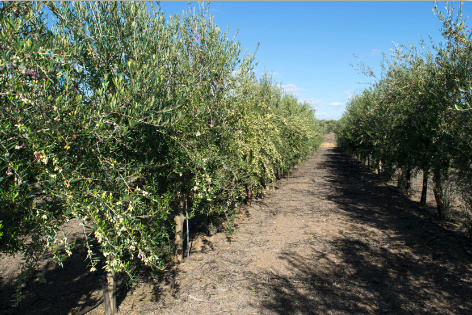
“La Cruz de los Huertos” (a plot of land belonging to the Research Centre owned by our company in Pedro Abad, Córdoba) was the first outdoor field where we planted the Todolivo I-15P variety for a first evaluation, along with other 1,345 varieties obtained in a first crossing stage of Todolivo’s Genetic Improvement Programme. This variety soon stood out from the rest due to its high productive capacity and high fat yield. After six harvests and a thorough and strict evaluation, it was preselected together with other 37 varieties.

This field is still being cultivated, and Todolivo I-15P has yielded an average production of 2,388 kg of olive oil/ha.

2nd Field Evaluation

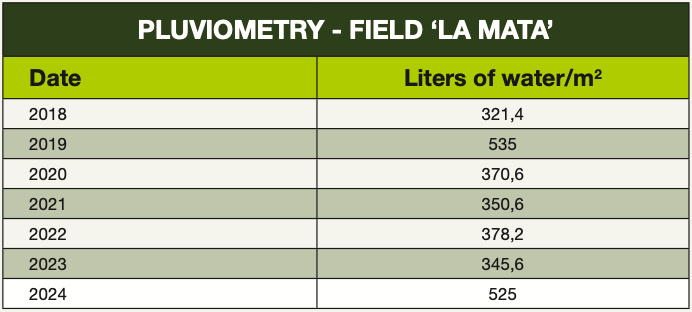
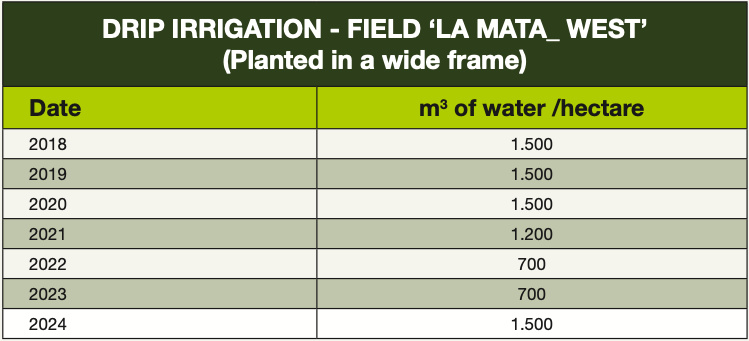
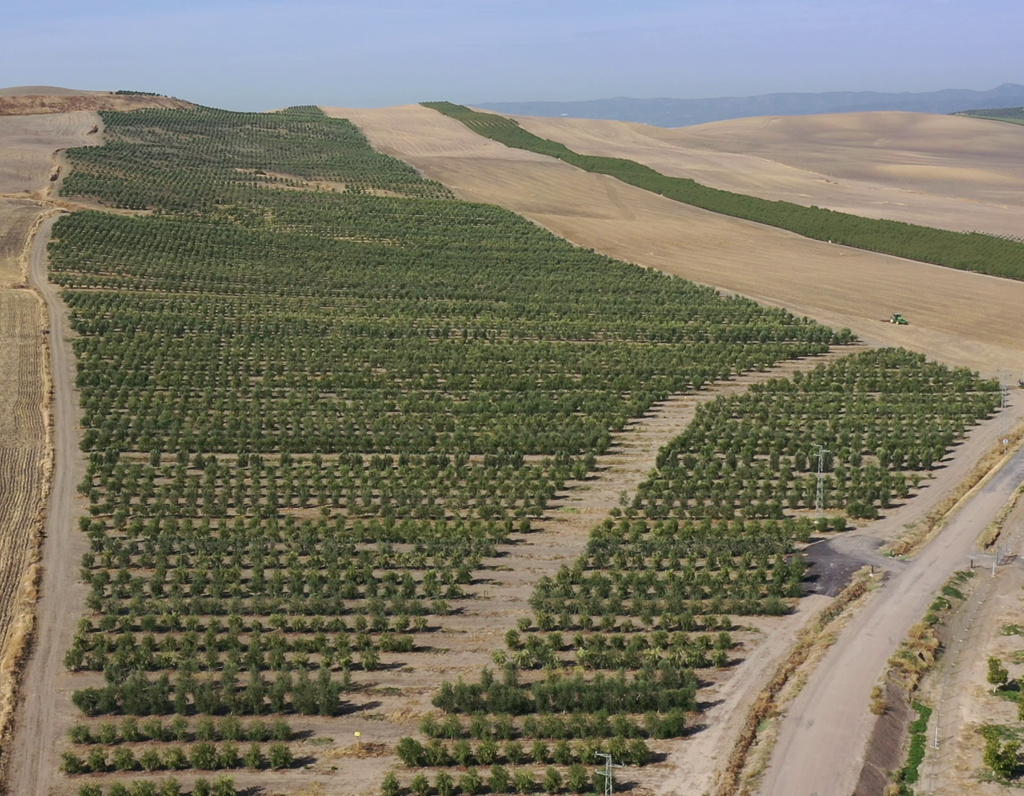
The second field test was carried out at “La Mata”, an irrigated estate with an area of 36.5 hectares, located near the town of Villafranca de Córdoba. This is a very homogenous plot of land and it is big enough to perform a large-scale trial.

Here, the Todolivo I-15P variety was tested along with other 56 varieties: 37 of these were new varieties from our Improvement Programme, plus an international selection of 19 traditional varieties that were used as control crops, including its parents (Arbosana Clon I-43® and Koroneiki Clon I-38®).
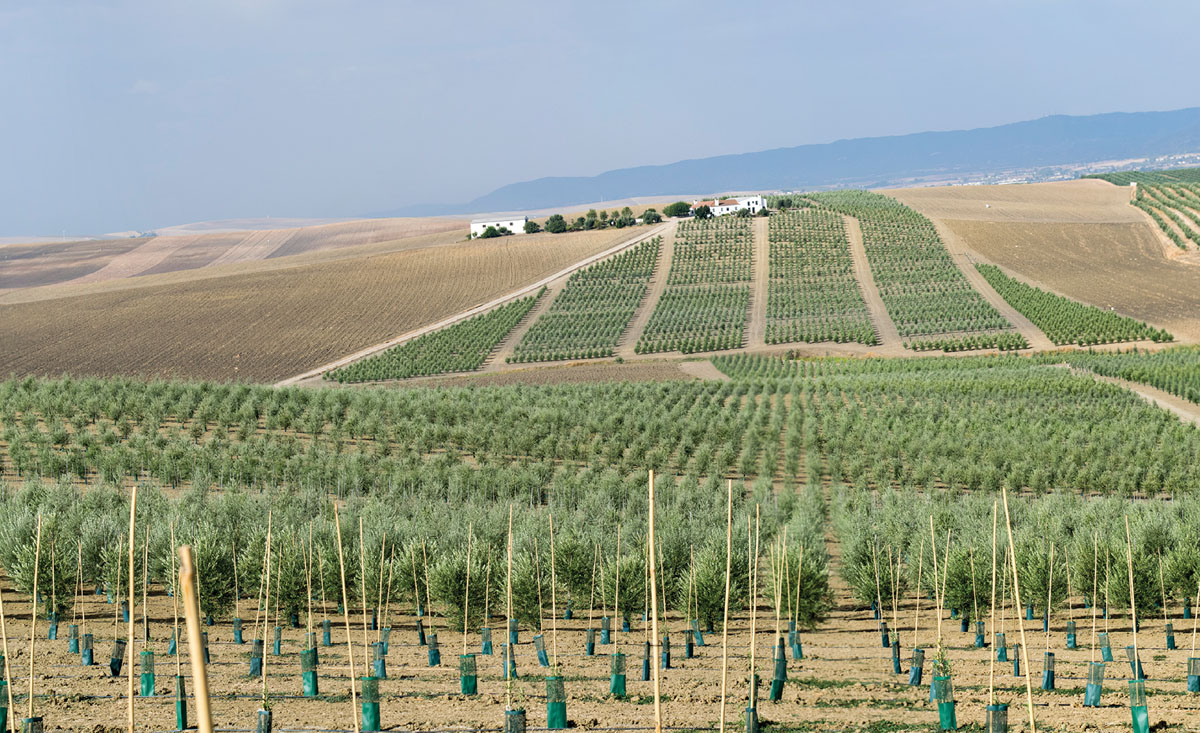
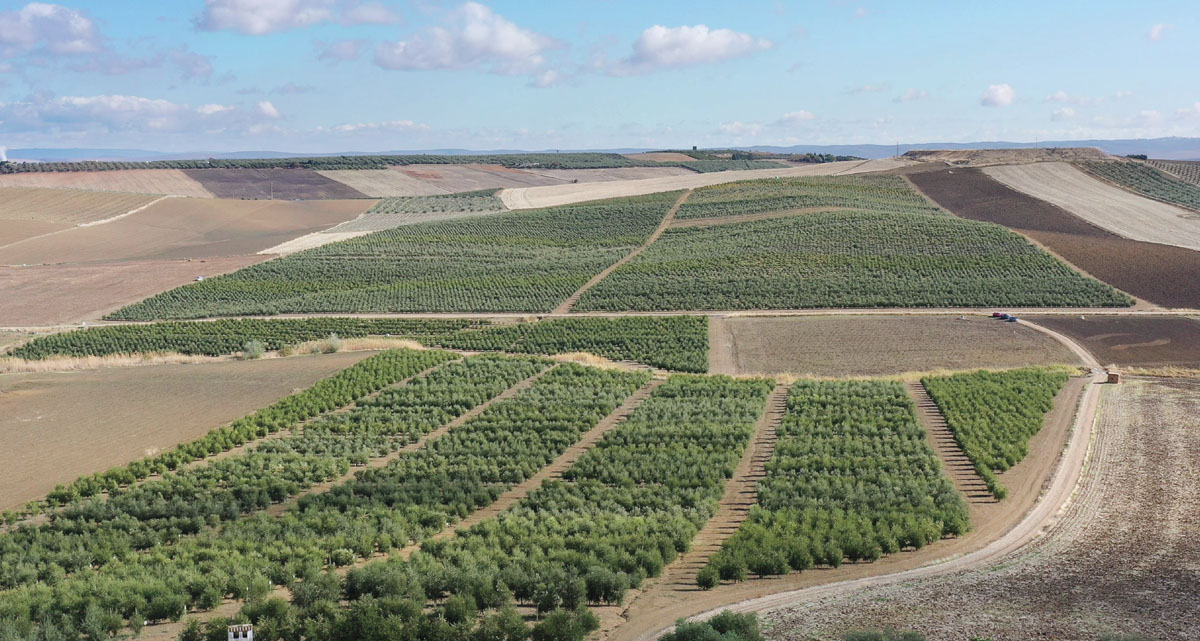
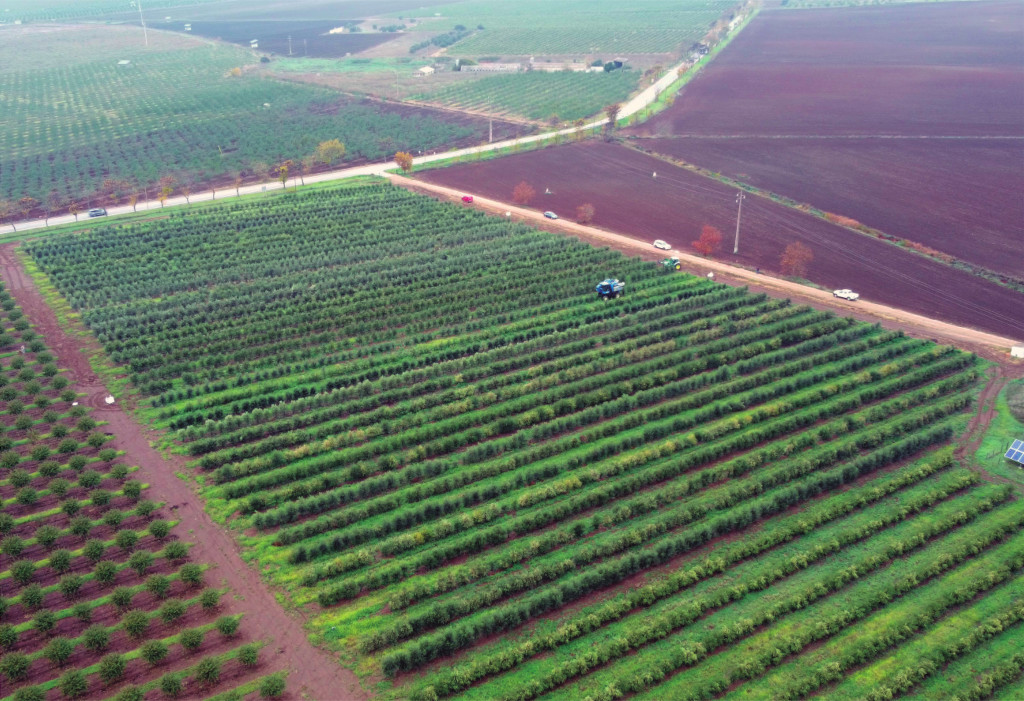
"La Mata" Research Centre: Genetic Improvement Trial.

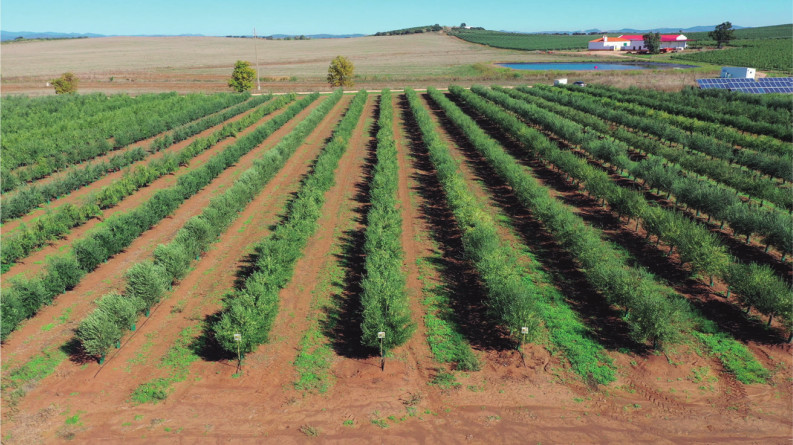
This trial comprises 3 fields: “Cortijo Este”, “Cortijo Oeste” and “La Balsa”. Each of these fields is divided into 4 plots of land, which are in turn divided into 57 rows, and an olive tree variety is planted in each row. The trial was replicated 12 times in order to ensure that the data obtained were as accurate and reliable as possible.

For this trial we used two planting layouts in order to obtain information on the behaviour of all the varieties with different planting densities per hectare.

Production History of “La Mata”
Estate – 1st Harvest

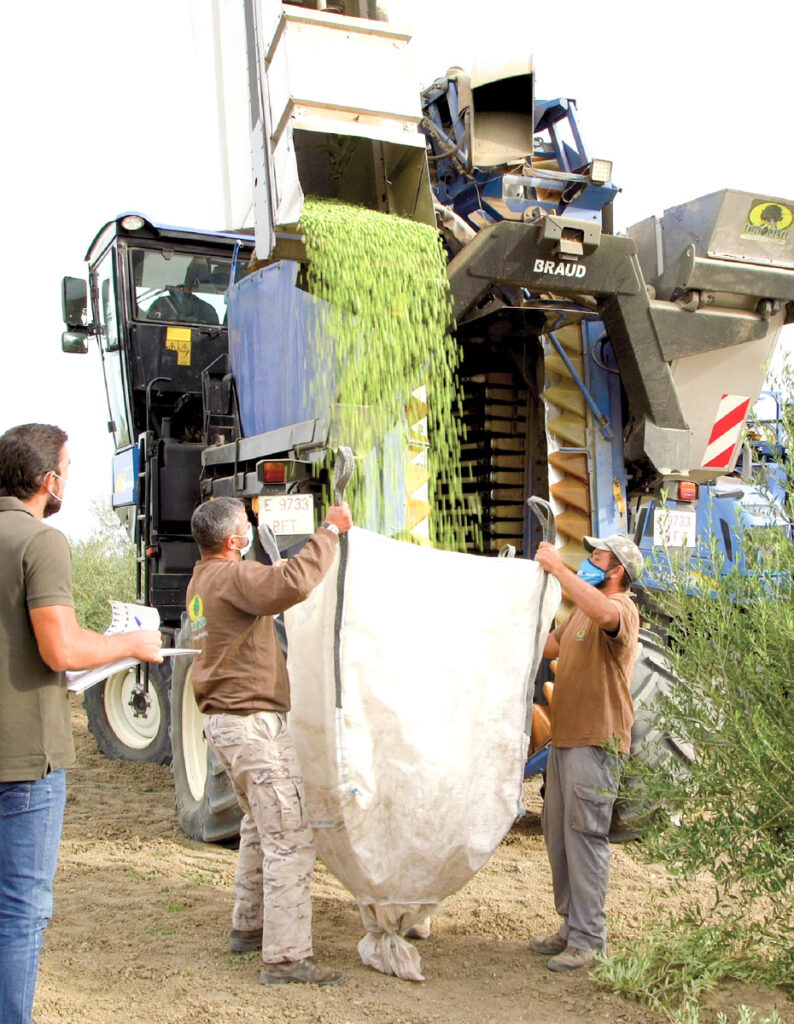
In the autumn of 2017, that is to say, one year and ten months after being planted at “La Mata”, the Todolivo I-15P variety was harvested for the first time, delivering a production average of 625 kg of olive oil/ha, while only one of the other traditional varieties to which it was being compared in said trial, “Koroneiki”, bore fruit that same year, producing 547 kg of oil per hectare.

2nd, 3rd, 4th, 5th and 6th Harvest

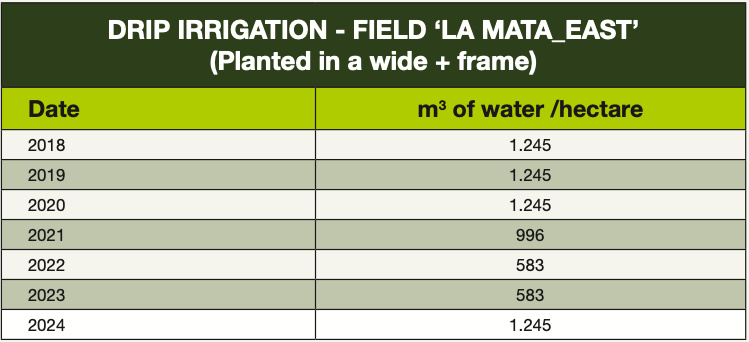
Following, and by way of illustration, is a comparative summary including the results of the kg of olive oil produced and the average production delivered by Todolivo I-15P and by some of the 19 traditional varieties used as control crops and to which it is being compared in each of the three fields comprising this trial: “Cortijo Oeste” and “Cortijo Este”. The following data are the result of the 2018, 2019, 2020, 2021, 2022, 2023 and 2024 harvests.
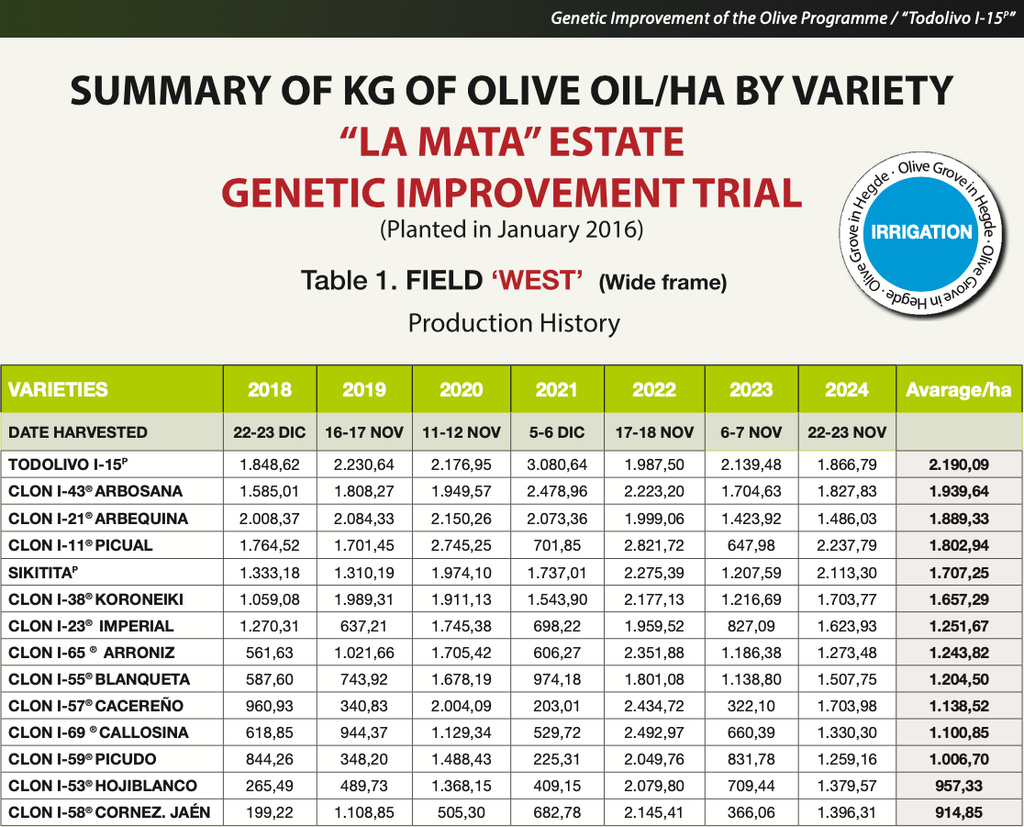
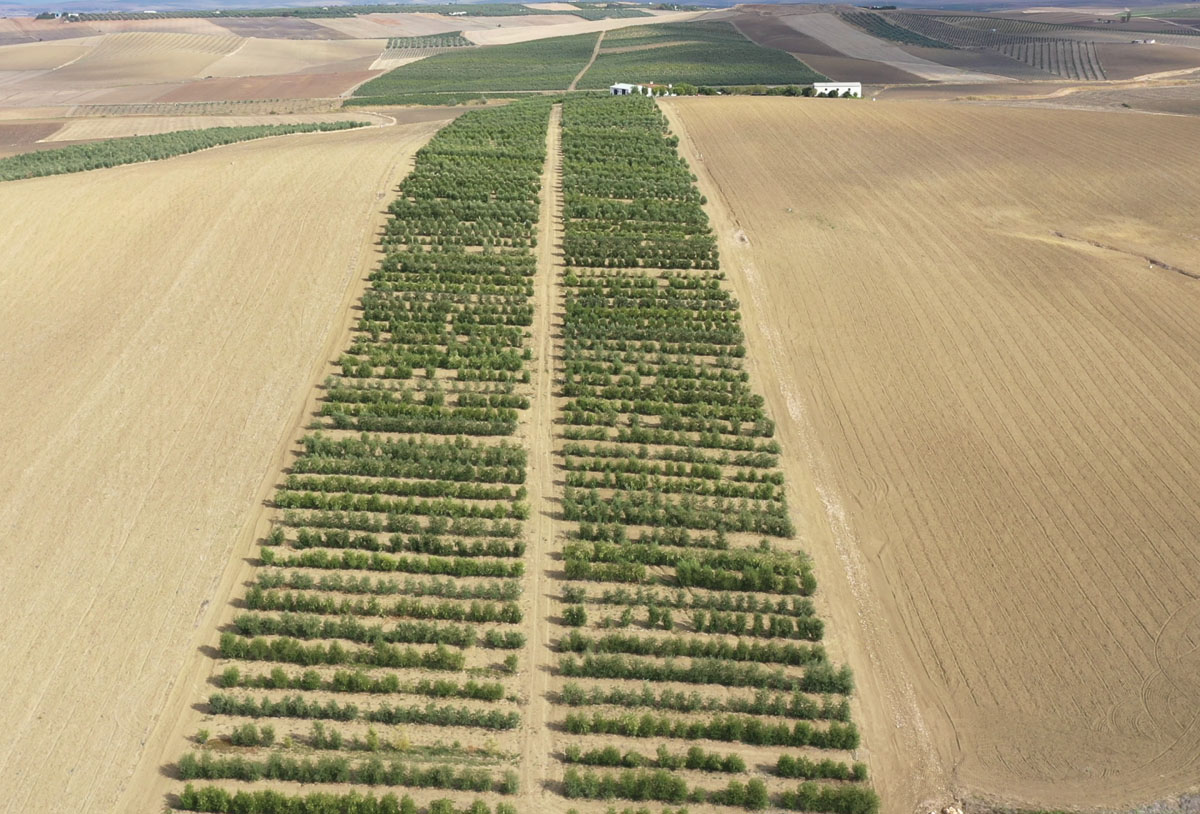
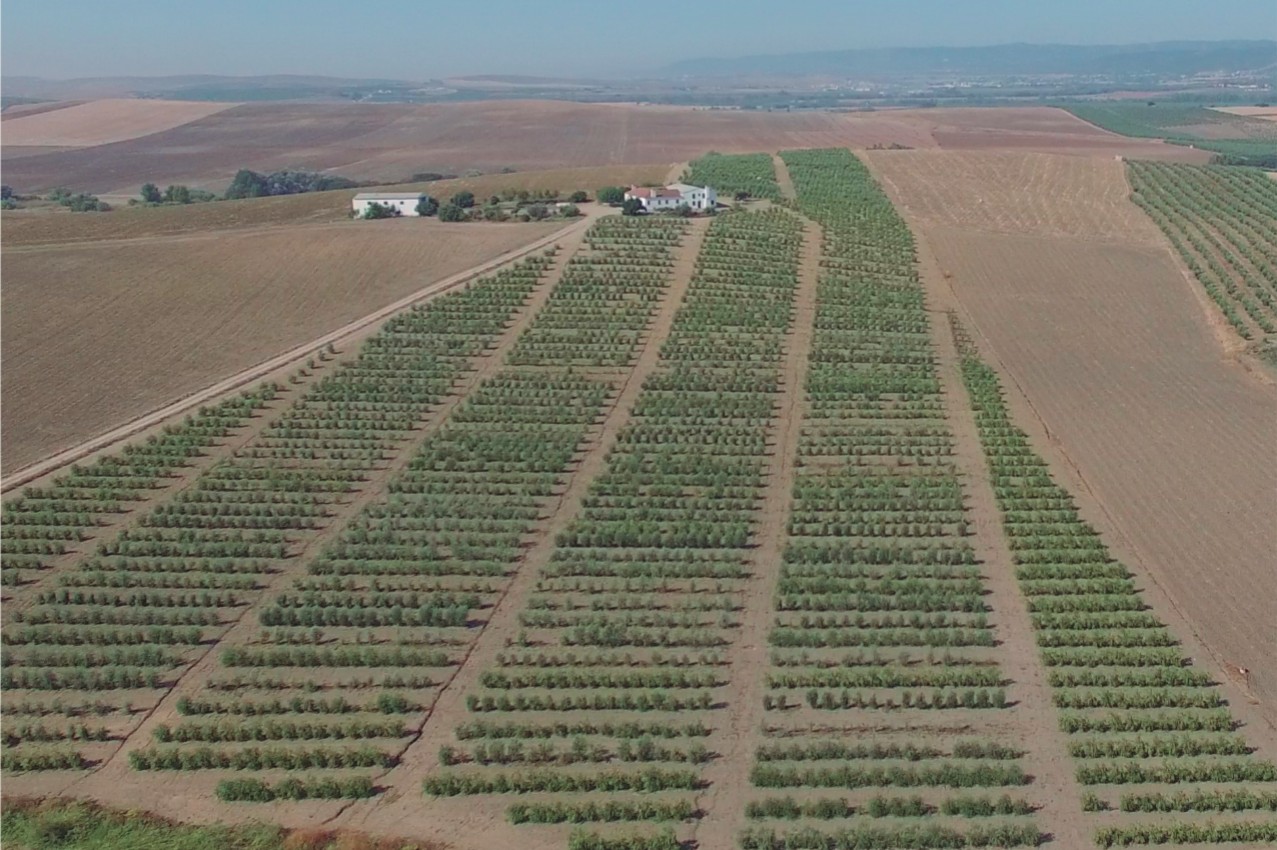
Todolivo’s Research Centre at “La Mata”: “Cortijo Oeste” field. Genetic Improvement Trial.
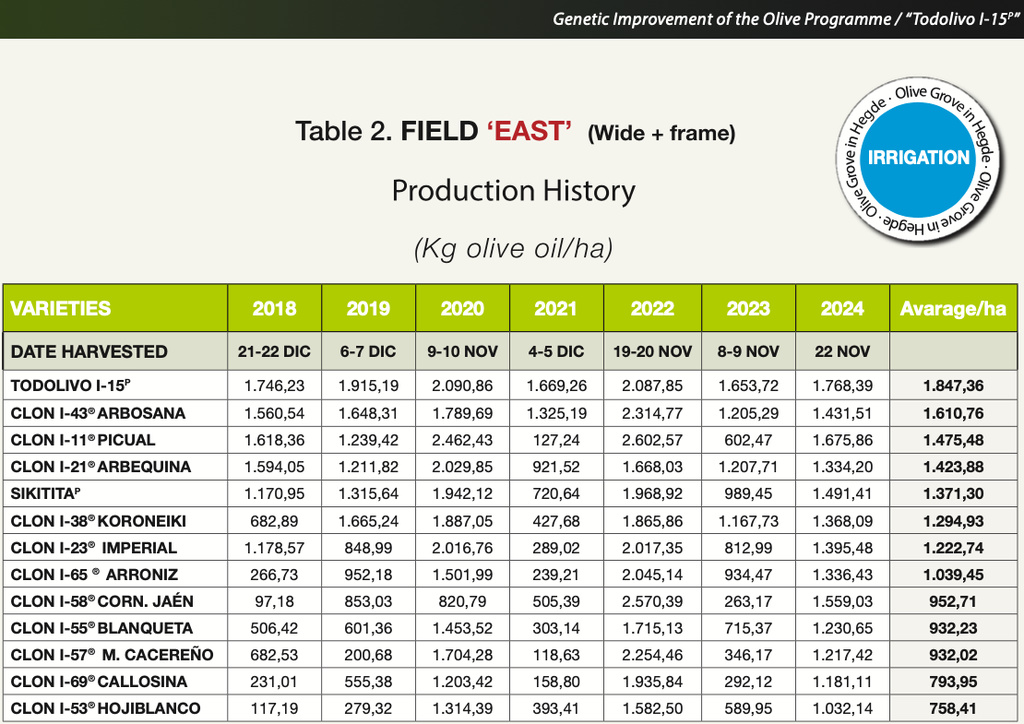
Todolivo’s Research Centre at “La Mata”: “Cortijo Este” field.

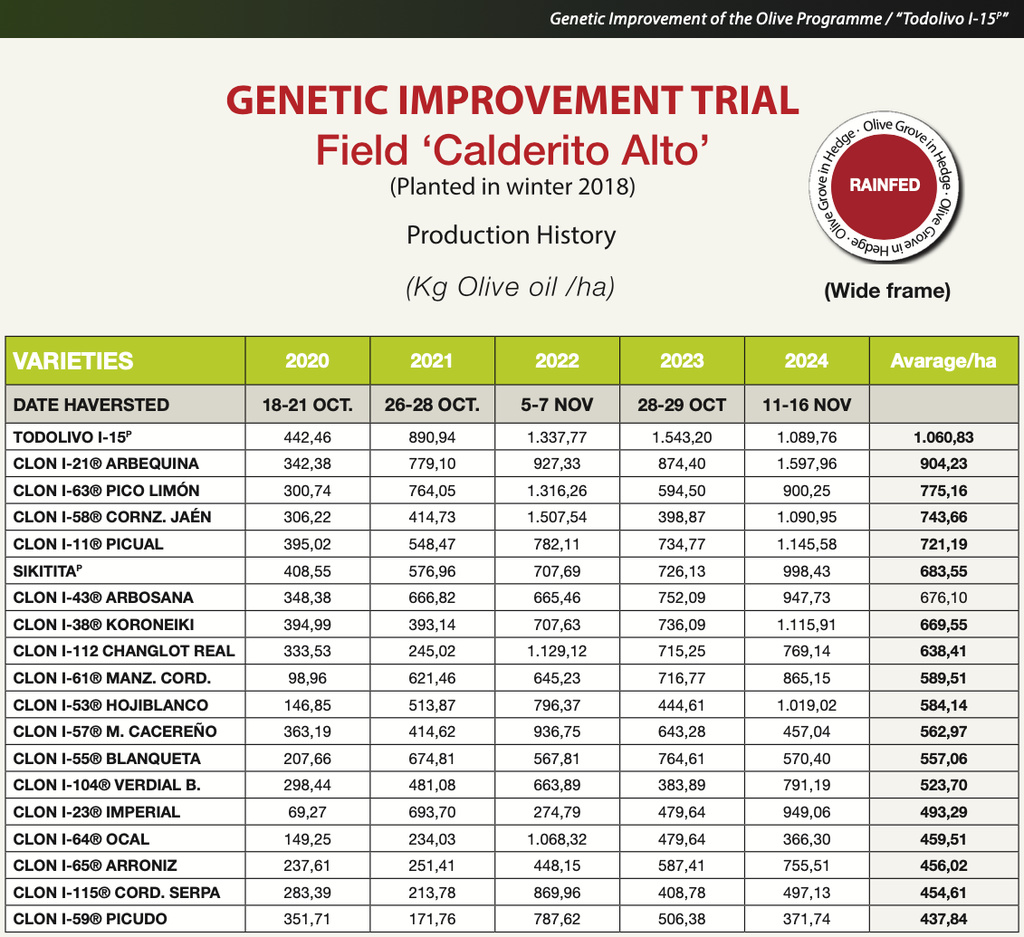
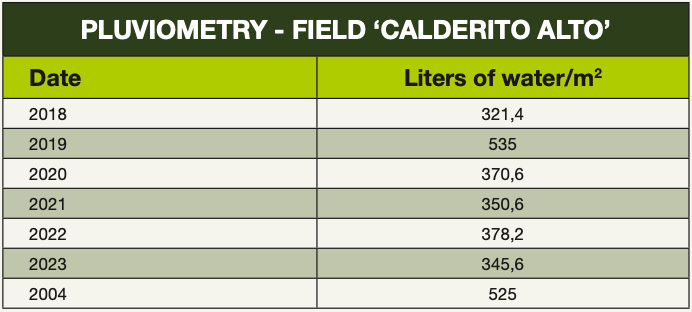
3rd Field Evaluation (Rainfed). “Calderito Alto” Research Centre

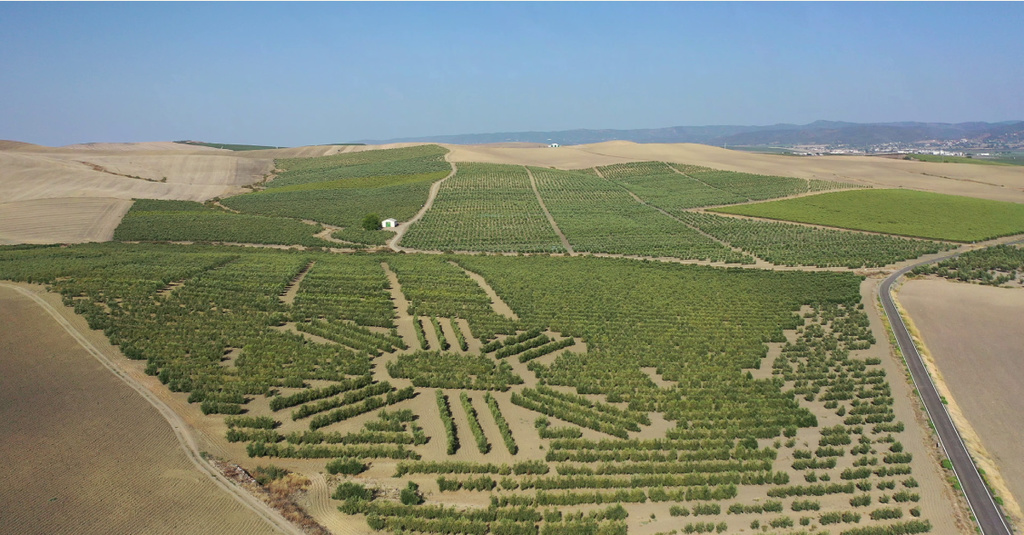
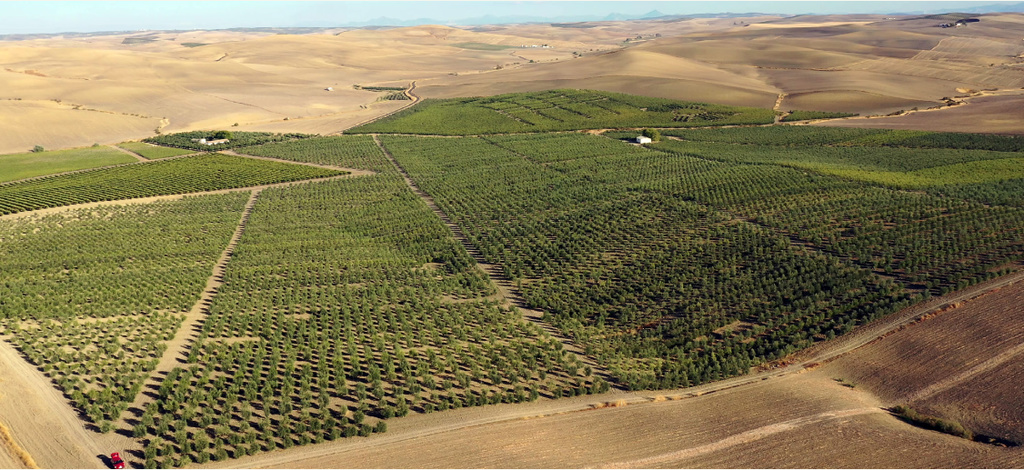
Todolivo’s “Calderito Alto” Research Centre.

In February 2018, the third field evaluation was carried out at our “Calderito Alto” rainfed Research Centre, where we planted 103 varieties of Olive Grove in Hedge: 72 of which came from the first and second phase of our Genetic Improvement Programme (including Todolivo I-15P), and the remaining 31 were an international selection of traditional varieties used as control crops.

Todolivo I-15P has a set of morphological characteristics that make this variety suitable for rainfed cultivation.

Such as, for instance, its leathery leaves, which allow this variety to reduce transpiration, save water and reduce water stress during the dry season, thus encouraging the proper ripening of the fruit.

On the other hand, since this variety is characterised by its open growth habit and its medium-to-low vigour, trees can be easily trained and maintained into a palmette shape, which helps closing gaps in each row
and quickly form the hedge.

Its reduced need for pruning allows for easy and economical agronomic management.

April 2023 – “Calderito Alto” Research Centre (Rainfed).

 4th Field Evaluation

Trial in irrigation e dry land at the “Las Hazuelas” Research Center.

The fourth evaluation was carried out at our “Las Hazuelas” Research Centre, where, in June 2018, we replicated the large-scale trial that we had already conducted with 103 varieties at “Calderito Alto” Research Centre, but this time in rainfed and irrigated condition.

Todolivo’s “Las Hazuelas” Research Centre

5th Field Evaluation

In May 2019, we carried out our fifth evaluation in a field located in the Portuguese municipality of Campo Maior, where we planted 38 preselected varieties obtained in our first crossing stage, in addition to the Arbosana I-43® clone.

Todolivo I-15P yielded more than the Arbosana I-43® variety.

The data obtained on the two varieties were the following:

  • Todolivo I-15P: 9,057 kg olives/ha, and 23% fat yield.
  • Arbosana I-43®: 8,247 kg olives/ha, and 20.67% fat yield.
Todolivo’s Genetic Improvement Trial in Campo Maior (Portugal).

Where to Buy Todolivo I-15P

The extraordinary potential of this variety allows farmers
to increase the profitability of their crops and to produce.

A Todolivo I-15P is available at Todolivo. In order to buy this variety, the customer must formally place a purchase order with the company and sign the corresponding contract for the use of this variety, and, once it is done.

Registration and Patents

An application for registration of the Todolivo I-15P variety has already been filed with the Spanish Plant Variety Office (OEVV), the Community Plant Variety Office (CPVO), as well as with Plant Variety Offices in Egypt, Georgia, Turkey, Tunisia, Azerbaijan and Morocco. It has also been granted a patent in the USA (Plant Patent), Spain, Europe and Georgia.

Origin

This variety was naturally obtained through directed crossing between Arbosana Clon I-43® and Koroneiki Clon I-38® as part of the Genetic Improvement Programme, which was started in 2007 and had the collaboration of the team of Professor Diego Barranco from the Department of Agronomy of the University of Córdoba. Todolivo I-15P has been selected from over 1,888 new varieties obtained through the aforementioned Programme.

Tests and control checks

This variety has successfully gone through a rigorous and strict selection process, and has been subjected to thorough control checks conducted by agricultural engineers from Todolivo and from the University of Córdoba, as well as tested in multiple rainfed and irrigated trials, in different fields and geographical locations, and compared to an international selection of over 33 traditional varieties.

Results

In each and every one of the trials, this variety has proved to be a highly early variety and to have an extraordinary productive capacity, as well as a high fat yield, and to produce more kg of olive oil/ha than all traditional varieties to which it was compared, being in early harvests when it shows the greatest differences when compared to the rest of the varieties (as it can be seen in the above production tables). This is an important quality given the current trend of harvesting olives earlier in order to produce higher quality olive oils that allow farmers to take advantage of the high prices paid for the first olive oils of the year.